
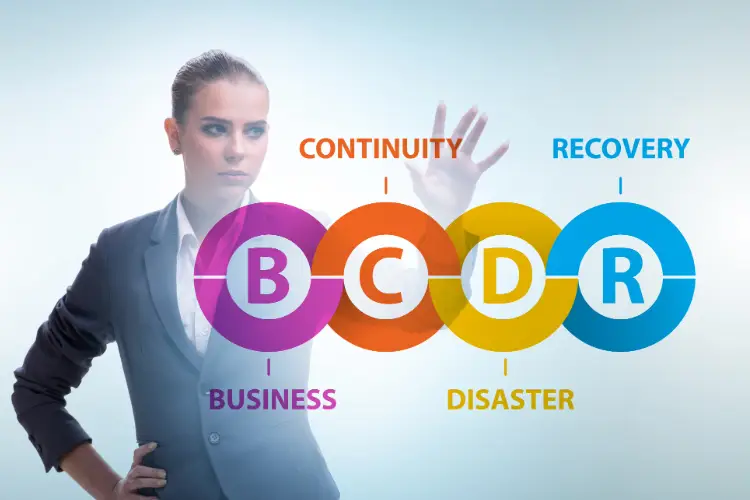
When it comes to safeguarding your business, two essential strategies are often mentioned: business continuity and disaster recovery. Although closely related, they serve two distinct purposes. Understanding the differences and preparing for both can determine whether your business can quickly recover from an unexpected event or face long-term damage.
In this blog, we will define business continuity and disaster recovery, highlight their differences, and provide actionable steps to prepare for both. By the end, you will have a clearer understanding of how these strategies can protect your business from potential crises.
What Is Business Continuity?
Business continuity is the framework that ensures your company can continue operations during and after a significant disruption. This could include natural disasters, cyberattacks, supply chain interruptions, or the sudden loss of key personnel.
A business continuity plan focuses on maintaining critical business functions and minimising downtime. It takes into account the entire organisation, including employees, processes, technology, and facilities.
In short, business continuity is about keeping your business running, no matter the crisis. It addresses a wide range of risks and disruptions to ensure your essential operations remain intact, even if operating at reduced capacity.
Example of a Business Continuity Plan (BCP) in Action:
Imagine a medium-sized manufacturing company experiences a power outage that affects production. A well-prepared business continuity plan would include alternative energy sources or backup facilities to keep production lines running, ensuring orders are fulfilled even if at reduced capacity. Staff could be relocated or allowed to work remotely where possible, and communication with customers and suppliers would continue without interruption.
What Is Disaster Recovery?
Disaster recovery is a critical component of business continuity, specifically focused on restoring IT systems and recovering data after a disruptive event. Its primary goal is to restore your technical infrastructure as quickly as possible after incidents such as cyberattacks, server failures, or natural disasters.
While business continuity focuses on keeping overall operations running, disaster recovery focuses on restoring your technology. Disaster recovery plans aim to reduce data loss, restore systems, and return operations to normal after a technology disruption. It is important that your company not only has a disaster recovery plan in place but also knows how to develop and execute it effectively, ensuring every step is mapped out in advance.
Example of a Disaster Recovery Plan (DRP) in Action:
Consider a retail business that suffers a ransomware attack. A disaster recovery plan would outline how to isolate affected systems, restore data from backups, and bring the network back online. The priority is to resume customer transactions and access to key systems, such as inventory management.
Business Continuity vs. Disaster Recovery: Key Differences
- Scope: Business continuity covers the entire business, focusing on maintaining critical functions, whereas disaster recovery specifically focuses on IT systems and data recovery.
- Purpose: Business continuity aims to keep the business running during a disruption, while disaster recovery is about restoring systems after an event.
- Timing: Business continuity measures are implemented during a crisis to ensure immediate survival. Disaster recovery occurs after a disaster to restore systems to normal.
- People vs. Technology: Business continuity is broader and encompasses people, processes, and communication, while disaster recovery is more technical, focusing on technology infrastructure and data.
Why You Need Both
While you might think one of these plans is enough to protect your business, the reality is that both are essential. Business continuity without disaster recovery leaves your technology vulnerable, while disaster recovery without business continuity could result in an operational standstill, even if your IT systems are restored.
A robust strategy integrates business continuity and disaster recovery plans to cover all aspects of your business and ensure operations continue with minimal interruption.
How to Prepare for Both Business Continuity & Disaster Recovery
1. Assess Your Risks
Conduct a thorough risk assessment to understand potential threats to your business. By identifying these risks, you can prioritise the most critical areas for your business continuity and disaster recovery plans.
2. Define Your Critical Operations
Determine the essential functions and systems that must continue during a disruption. For a business continuity plan, this might include production lines, customer service, or financial processes. For disaster recovery, it’s vital to identify which systems, data, and applications are mission-critical and must be restored first.
3. Create Clear Procedures
For business continuity, establish alternative work processes, such as remote work policies, backup suppliers, or secondary production facilities. For disaster recovery, create step-by-step procedures to restore your IT systems, including access to backups, identification of key recovery personnel, and communication protocols for the recovery phase.
4. Test and Update Regularly
No plan is effective unless it’s tested. Run simulations of potential disruptions to assess how your business continuity and disaster recovery plans perform. This ensures that both plans remain relevant and effective, and that employees understand their roles in a crisis.
5. Partner with Experts
Managing both business continuity and disaster recovery can be complex, especially for small and medium-sized businesses. Working with experts, like those at Aztec, can help ensure your plans are comprehensive and tailored to your specific needs. You can speak to an expert to get started on crafting a resilient disaster recovery plan.
Protect Your Business from Every Angle
Preparing for business continuity and disaster recovery isn’t just about ticking boxes. It’s about ensuring your business can withstand and recover from unexpected disruptions. By integrating both BC and DR plans, you safeguard not only your operations but also your reputation and customer trust.
Want to ensure your business is prepared? Speak to a disaster recovery expert at Aztec to get started with a comprehensive strategy that protects your entire organisation. Don’t wait until disaster strikes – take action today!

